
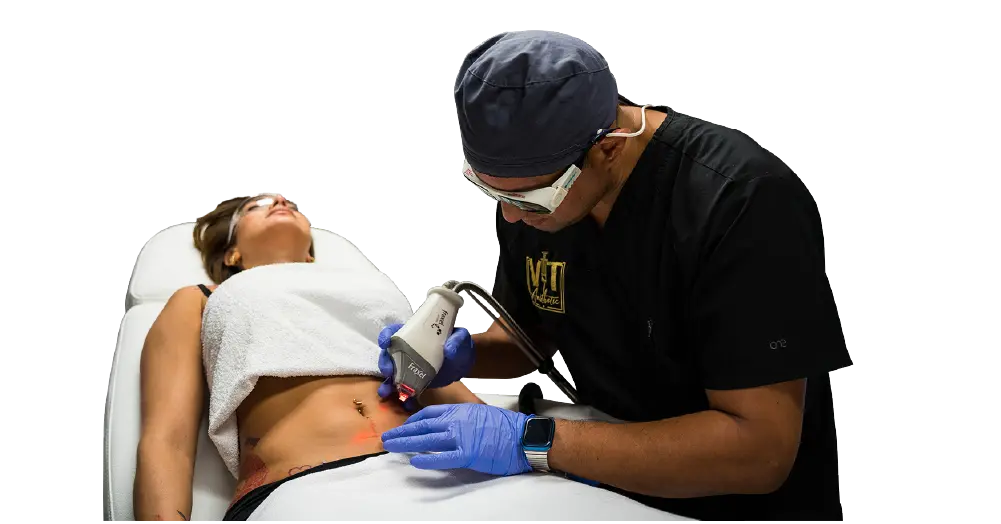
Scars are a natural part of the body’s healing process, but they can sometimes affect the appearance, texture, and confidence of an individual. Whether caused by acne, surgery, burns, injuries, or skin conditions, scars vary in size, shape, and severity. Fortunately, advancements in cosmetic and reconstructive treatments have made scar removal more effective than ever before. Understanding the different types of scars and the available treatment options can help individuals make informed decisions about improving their skin’s appearance.
Understanding Different Types of Scars
Before exploring scar removal treatments, it is important to understand that not all scars are the same. Different scars require different treatment approaches to achieve the best possible results.
Acne Scars
Acne scars develop when severe acne damages the skin and underlying tissue. These scars often appear as depressions or uneven textures on the skin.
Common types of acne scars include:
- Ice pick scars
- Boxcar scars
- Rolling scars
Hypertrophic Scars
Hypertrophic scars are raised scars that remain within the boundaries of the original wound. They occur when the body produces excess collagen during the healing process.
Keloid Scars
Keloid scars are similar to hypertrophic scars but extend beyond the original injury site. They can continue to grow over time and may cause discomfort or itching.
Surgical Scars
Surgical procedures often leave scars, although their appearance can vary depending on the incision size, location, and healing process.
Burn Scars
Burn injuries can lead to significant skin damage, resulting in scars that may affect both appearance and mobility.
Why Professional Scar Removal Matters
Many over-the-counter products claim to reduce scars, but professional scar removal treatments often provide more noticeable and long-lasting improvements. A customized treatment plan based on scar type, skin condition, and individual goals can significantly enhance results.
Professional treatments can help:
- Improve skin texture
- Reduce discoloration
- Flatten raised scars
- Restore smoother skin appearance
- Increase confidence and self-esteem
Laser Scar Removal for Visible Skin Improvement
One of the most popular and effective scar removal procedures is laser treatment.
How Laser Scar Removal Works
Laser technology targets damaged skin layers and stimulates collagen production. As new skin cells develop, the scar becomes less visible and the skin appears smoother.
Benefits of laser scar removal include:
- Minimal downtime
- Improved skin texture
- Reduced redness and pigmentation
- Enhanced collagen remodeling
Laser treatments are commonly recommended for acne scars, surgical scars, and certain burn scars.
Microneedling for Scar Reduction
Microneedling has become a widely used treatment for improving scar appearance. This minimally invasive procedure uses fine needles to create controlled micro-injuries in the skin.
Benefits of Microneedling for Scar Removal
The treatment stimulates the body’s natural healing response and promotes collagen production.
Microneedling may help:
- Improve acne scars
- Smooth uneven skin texture
- Reduce the depth of depressed scars
- Enhance overall skin quality
For many patients, microneedling is an effective option for scar revision with minimal recovery time.
Chemical Peels for Superficial Scars
Chemical peels involve applying a specialized solution to remove damaged outer skin layers. This process encourages skin regeneration and can improve mild scarring.
Who Can Benefit from Chemical Peels?
Chemical peels are often used for:
- Mild acne scars
- Skin discoloration
- Uneven skin tone
- Surface irregularities
Depending on the depth of the peel, multiple sessions may be required to achieve optimal scar improvement.
Dermal Fillers for Depressed Scars
Some scars create indentations in the skin. Dermal fillers can temporarily raise these depressed areas, creating a smoother appearance.
Advantages of Dermal Fillers
Dermal fillers offer:
- Immediate improvement
- Minimal downtime
- Enhanced skin contour
- Natural-looking results
Although results are temporary, fillers can be a valuable part of a comprehensive scar treatment plan.
Surgical Scar Revision for Severe Scars
When scars are extensive or highly noticeable, surgical scar revision may be recommended.
What Is Scar Revision Surgery?
Scar revision surgery involves removing or repositioning scar tissue to improve its appearance. In some cases, advanced techniques can make scars less visible and blend more naturally with surrounding skin.
This treatment is commonly used for:
- Large surgical scars
- Traumatic injury scars
- Contracture scars from burns
- Prominent facial scars
While complete scar elimination is not possible, surgical revision can significantly improve the appearance of certain scars.
Steroid Injections for Raised Scars
Raised scars such as hypertrophic and keloid scars often respond well to corticosteroid injections.
How Steroid Injections Help
These injections help reduce inflammation and collagen production within the scar tissue.
Benefits include:
- Scar flattening
- Reduced redness
- Relief from itching and discomfort
- Improved cosmetic appearance
Several treatment sessions may be necessary depending on the scar’s size and severity.
Choosing the Right Scar Removal Treatment
Selecting the best scar removal solution depends on several factors, including:
- Scar type
- Scar age
- Skin tone
- Scar location
- Desired results
A qualified cosmetic surgeon or dermatologist can evaluate the scar and recommend a personalized treatment plan. In many cases, combining multiple treatments provides the most effective outcome.
What Results Can You Expect from Scar Removal?
It’s important to have realistic expectations regarding scar removal treatments. While scars cannot usually be erased completely, modern procedures can significantly improve their appearance.
Most patients experience:
- Smoother skin texture
- Reduced scar visibility
- Improved skin tone
- Better overall confidence
Results often improve gradually as collagen production continues and the skin undergoes natural remodeling.
Conclusion
Advancements in scar removal have provided individuals with numerous effective options for improving the appearance of scars caused by acne, surgery, burns, and injuries. From laser scar removal and microneedling to chemical peels, fillers, and surgical scar revision, today’s treatments can address a wide range of scar concerns. Consulting with an experienced specialist is the best way to determine the most appropriate treatment strategy based on your unique skin condition and goals. With the right approach, noticeable improvements in skin texture and appearance are achievable, helping individuals feel more confident in their skin.
Frequently Asked Questions (FAQs)
1. What is the most effective scar removal treatment?
The most effective scar removal treatment depends on the type of scar. Laser therapy, microneedling, surgical scar revision, and steroid injections are among the most commonly recommended options.
2. Can scar removal completely eliminate a scar?
No treatment can completely remove a scar. However, modern scar removal procedures can significantly reduce its visibility and improve skin texture.
3. Is laser scar removal painful?
Most patients experience mild discomfort during laser scar removal. Topical anesthetics are often used to improve comfort during the procedure.
4. How many scar removal sessions are needed?
The number of sessions varies depending on the scar type, size, and treatment method. Some individuals may see improvement after a few sessions, while others require a longer treatment plan.
5. Which treatment is best for acne scar removal?
Laser treatments, microneedling, chemical peels, and dermal fillers are commonly used for acne scar removal. A specialist can recommend the most suitable approach based on the scar type.
6. Are scar removal treatments safe for all skin types?
Many modern scar removal treatments can be customized for different skin tones and skin types. A professional consultation is important to determine the safest and most effective option.

